By Christopher Hatfield
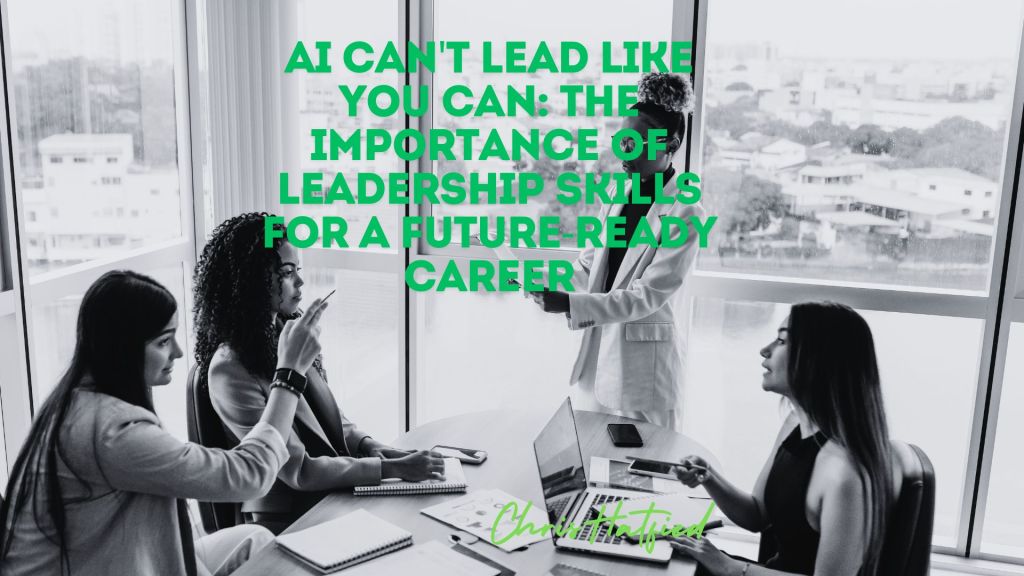
As AI technology continues to redefine the landscape of our workplaces, the growing need for human-centric leadership has never been more apparent. While artificial intelligence brings remarkable efficiencies and insightful data analysis, it lacks the emotional intelligence, adaptability, and human touch that are hallmarks of effective leadership. This blog post will delve into the irreplaceable aspects of leadership skills that prepare professionals for a future-ready career, amidst rising automation and artificial intelligence integration.
The Rise of AI in the Workplace
Artificial intelligence is not merely a trend; it is a significant transformation in how organisations operate. From data analytics to customer service automation, AI is streamlining processes and making operations more efficient. However, as machines and algorithms take over routine tasks, the demand for strategic vision, direction, and human connection has surged.
Understanding the Limitations of AI
- Lack of Empathy: AI can analyse data and provide recommendations, but it cannot understand human emotions or build relationships.
- Creativity Constraints: Innovative thinking often stems from the human experience—something AI cannot replicate.
- Ethical Considerations: AI lacks the moral compass that informs decisions in complex human interactions, thus necessitating human leadership for guidance.
The Core Competencies of Human Leaders
In contrast to AI tools, human leaders possess essential skills that are invaluable in fostering a cohesive workplace environment:
- Emotional Intelligence: The ability to perceive and manage emotions promotes effective team dynamics.
- Visionary Thinking: Leaders are tasked with crafting a future vision that inspires and motivates teams, which requires insight beyond analytics.
- Adaptability: Human leaders can pivot strategies in response to unforeseen challenges, demonstrating flexibility that AI cannot achieve.
- Decision-Making Skills: Leaders weigh complex situations, factoring in nuances that algorithms may overlook.
Creating an Environment for Growth
Human-centric leadership involves cultivating a workplace culture where creativity and collaboration thrive. Leaders can inspire their teams by:
- Encouraging Open Communication: Facilitating a safe space for team members to express ideas and concerns fosters innovation.
- Recognising Contributions: Acknowledgement of achievements boosts morale and productivity, setting the stage for creativity.
- Investing in Training: Continuous professional development empowers teams, enhancing skills that complement technological advancements.
Future-Proof Leadership Skills
To thrive in an AI-dominated landscape, developing specific leadership qualities is imperative. Essential skills for future-ready leaders include:
1. Cross-Disciplinary Knowledge
Understanding diverse domains can enhance decision-making and foster innovative approaches. AI may provide data, but leaders must interpret it within relevant contexts.
2. Cultural Competence
Globalisation and diverse workforces necessitate a leader’s ability to navigate cultural differences effectively, ensuring everyone feels valued and understood.
3. Critical Thinking
In a world inundated with information, the ability to critically analyse data and understand its implications is vital for informed decision-making.
Leadership Will Shape the Future
As AI becomes more integrated into daily operations, the significance of human leadership will continue to grow. Leaders who harness AI’s capabilities while prioritising human connection will cultivate thriving workplace cultures that drive innovation and sustainability.
Conclusion: A Call to Action
The evolving workplace landscape presents both challenges and opportunities. It is essential for current and aspiring leaders to invest time in honing the skills that drive human-centric leadership. By embracing the balance between AI utility and human touch, leaders can ensure their teams are not just future-ready, but also equipped to thrive in any environment.
Join the conversation. How do you envision the role of leadership evolving in the age of AI? Sharing your thoughts can spark dialogue that leads to transformative insights.
 Christopher HATFIELD
Leave a comment